Can I Protect My Aging Parents?
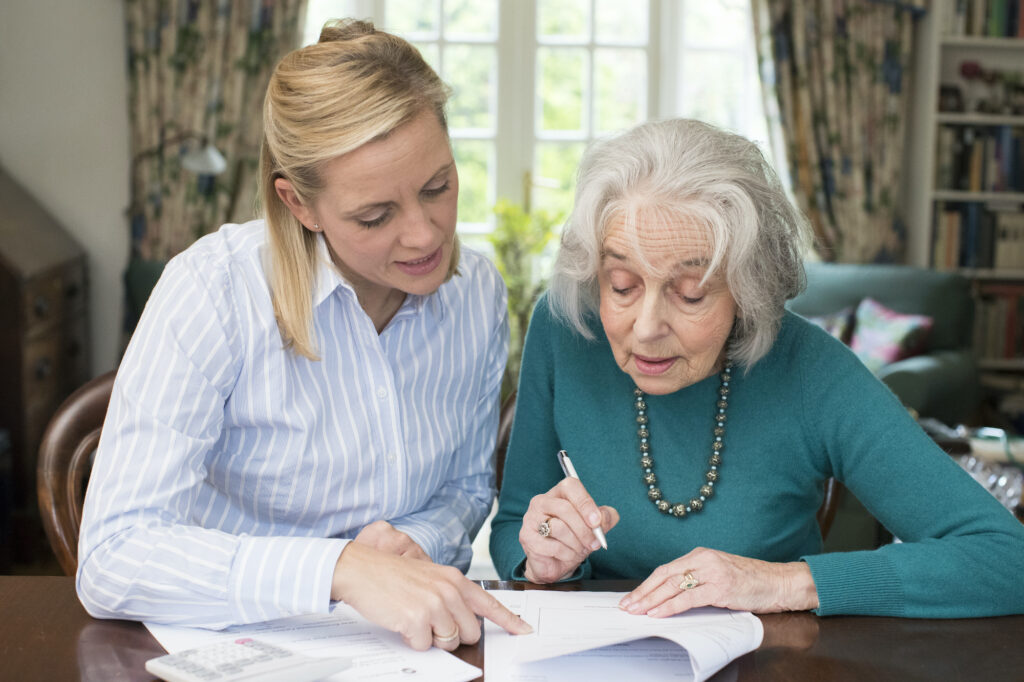
As the American population of seniors continues to expand, the need for intentional estate planning becomes more urgent, especially for the children of aging parents.
Estate planning requires the ability to be realistic about current health and assets, while considering the inevitable changes to come. For adults with aging parents, having a well-thought out estate plan, regardless of the size of the estate, becomes more urgent as the time to use the documents draws closer.
There are four key factors to consider: medical needs, housing and care needs, finances and legal needs. All require candid, non-emotional assessments.
Start with Medical, Housing and Care Needs
Consider the next five years. Is it likely their medical condition may decline? How will their present home work, if they are unable to manage steps or need to sleep and toilet on the same level? If their home is not conducive for aging in place, will they consider moving to a better situation, or can they afford to make any changes?
Examine Health and Care Needs
Do they have long-term care insurance or do they expect to apply for Medicaid? If one spouse will need memory care or one spouse dies, will the surviving spouse have the resources needed to remain in home and receive the care they need? An experienced estate planning attorney will be able to evaluate their financial situation with regard to becoming eligible for Medicaid, if this will be needed. There is a five-year look-back period for Medicaid, so advance action is necessary to protect assets.
Review Existing Estate Planning Documents
Do they have any estate planning documents in place? Is there a will, and when was it prepared? Many seniors have told their children a will exists, only for the children to later discover the will is decades old, significantly outdated and declared invalid by the probate court. Deceased individuals may be listed as agents for Power of Attorney and Medical Power of Attorney. Funds left for heirs may no longer exist. Laws for power of attorney may not include required provisions as a result of changes to the law.
Address More Complicated Issues
If appreciated real estate property has been deeded to loved ones to protect the property from nursing home costs, are the beneficiaries prepared to pay the resulting taxes? If deeded real estate property was intentionally left unrecorded, transferring property could become a legal quagmire.
The Best Solution
The best solution is to have an experienced estate planning attorney meet with the parents, review any existing documents and prepare an updated set of documents to achieve the parent’s goals, protect them in case of medical emergencies and allow parents and children to gain the peace of mind of knowing they are ready for the future. This includes a will, power of attorney, health care power of attorney, HIPAA release, living will and, depending upon the situation, may also include trusts.
If you or a loved one needs assistance with elder law, probate or estate planning issues, do not hesitate to contact us. We are here to help.